Research

Genetic Research
Genetic research in ALS investigates the role of our genes in the disease. Researchers study specific genes in which changes, or mutations, can increase the risk of ALS or directly cause the disease.
In some patients, ALS is inherited from generation to generation. In many others, the disease occurs without a known family history, although genetic factors may still play a role.
The goal of this research is to better understand why ALS develops and why it progresses differently from person to person. Genetic research in ALS has become particularly important in recent years because the first therapy targeting specific mutations has already been approved, and further therapies are in development.
Two of the genes now known to cause ALS when mutated were discovered in Ulm. The willingness of ALS patients to provide samples for research was a decisive factor in this success.
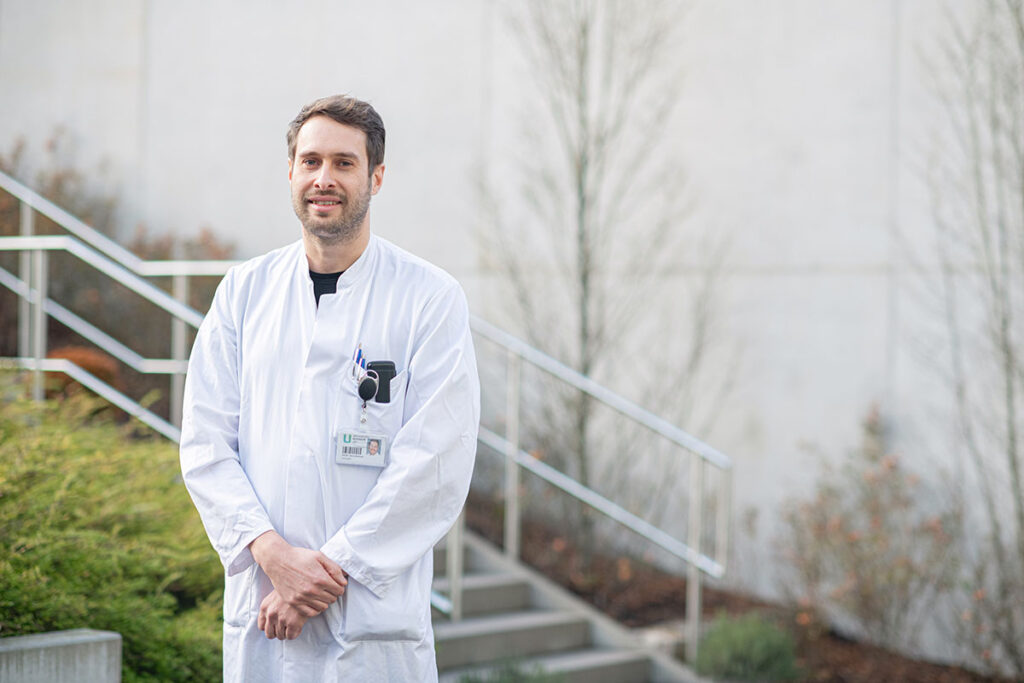
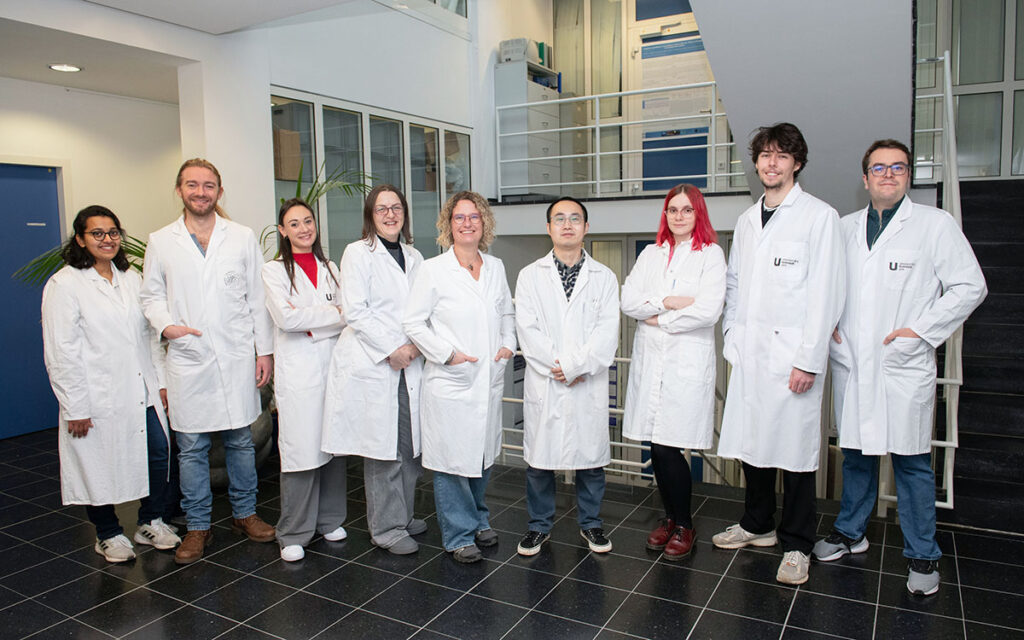
Prof. Brenner’s working group investigates how ALS arises from changes in our genes. The team aims to understand what exactly goes wrong in the body when specific sections of genetic material contain errors.
To answer these questions, the researchers use state-of-the-art laboratory methods. They study both artificial disease models and real patient tissue. Current research focuses on specific “suspects” in the genome—genes such as TBK1, NEK1, KIF5A, SOD1, and C9orf72.
This scientific detective work has a clear practical goal. When physicians identify a genetic change in a patient, it is often unclear whether it is truly harmful. The research conducted by AG Brenner helps resolve these uncertainties and improve counseling for affected individuals.
At the same time, the group is helping pave the way for the medicine of tomorrow by searching for biological warning signals in the body and new drug targets so that ALS can be treated more precisely in the future.

Diagnostic Research
Another major focus of ALS research in Ulm is improving ALS diagnostics and developing tests that can indicate the effects of new therapies. Using state-of-the-art methods, researchers search for marker molecules that make ALS and disease activity measurable in cerebrospinal fluid and blood.
In selected cases, microscopic examination of muscle tissue from ALS patients is also performed.
Like other areas of ALS research, diagnostic research depends on the generous donation of biological samples, such as blood, cerebrospinal fluid, or tissue samples from ALS patients. These samples are compared using highly sensitive methods, such as mass spectrometry, with samples from people who do not have ALS.
One example is the now well-established and routinely used marker neurofilament, such as NfL, which was first described in Ulm as a diagnostic marker for ALS.
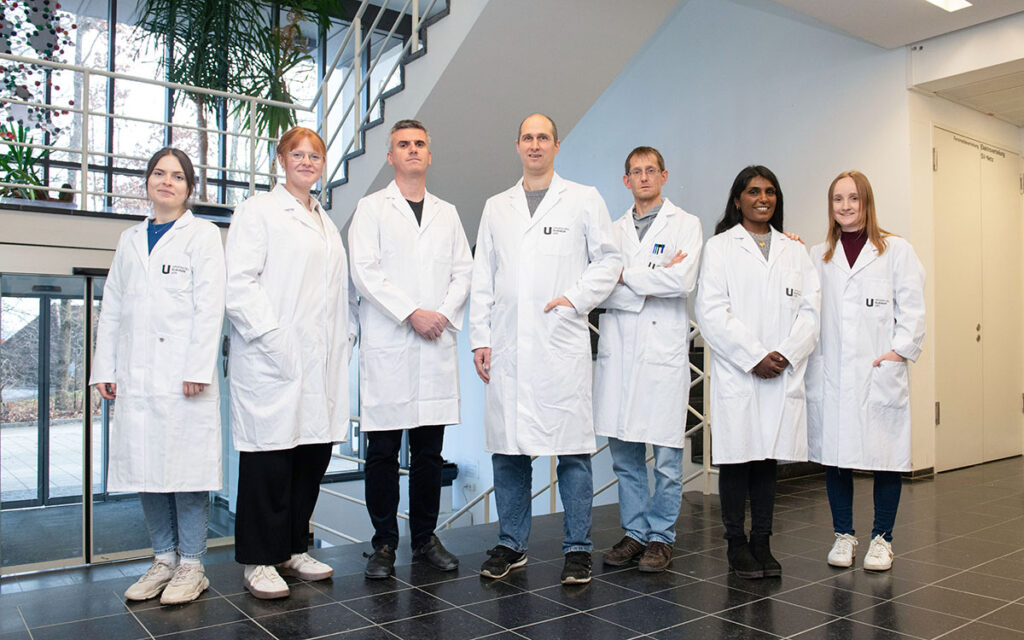
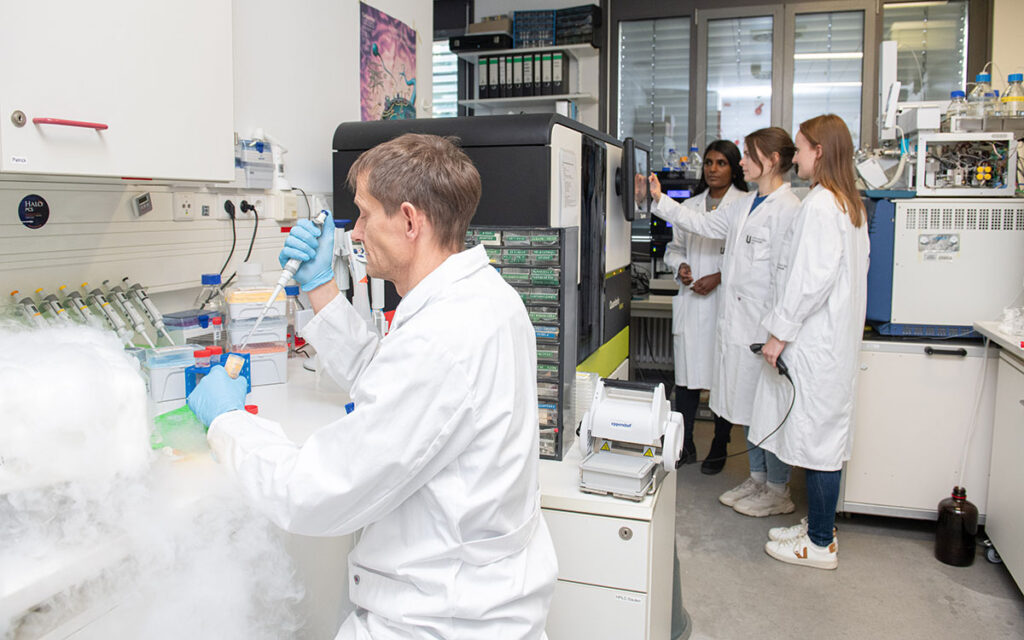
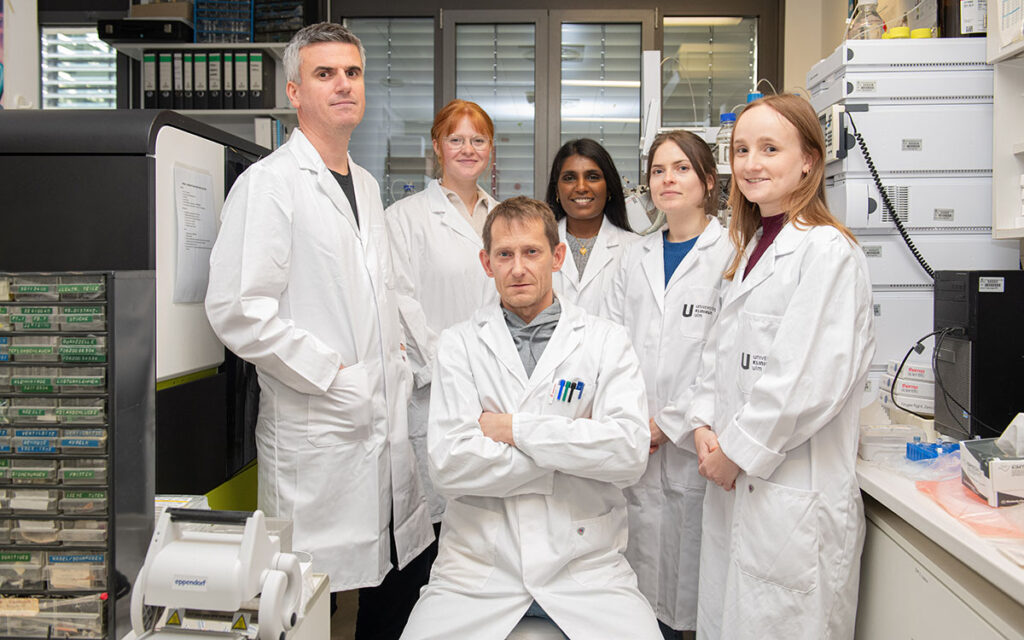
PD Dr. Oeckl and his team conduct internationally renowned research into the discovery of new ALS biomarkers. PD Dr. Oeckl is a recognized specialist in mass spectrometry.
Mass spectrometry is a highly sensitive method used to detect proteins in cerebrospinal fluid or blood that are altered by ALS. This enables the development of new diagnostic markers and new tests that are also crucial for improving the informative value of therapeutic trials.
PD Dr. Oeckl’s working group is an excellent example of the close link between outstanding laboratory research and specialized patient care in Ulm, as access to a large number of particularly rare patient samples is essential for this work.
PD Dr. Oeckl was recently awarded the German Brain League Research Prize for his work. (Hirnliga Forschungspreis).
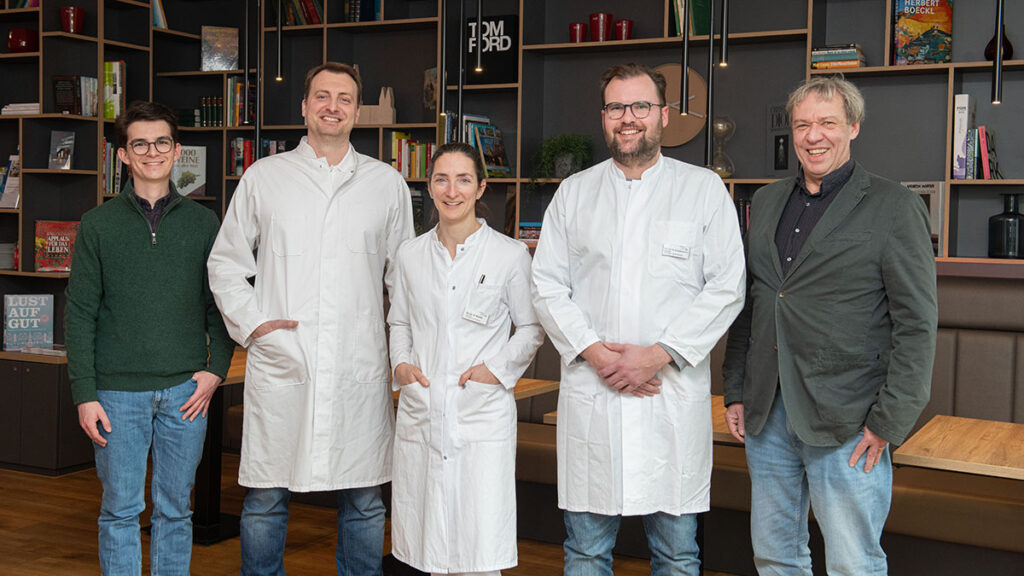
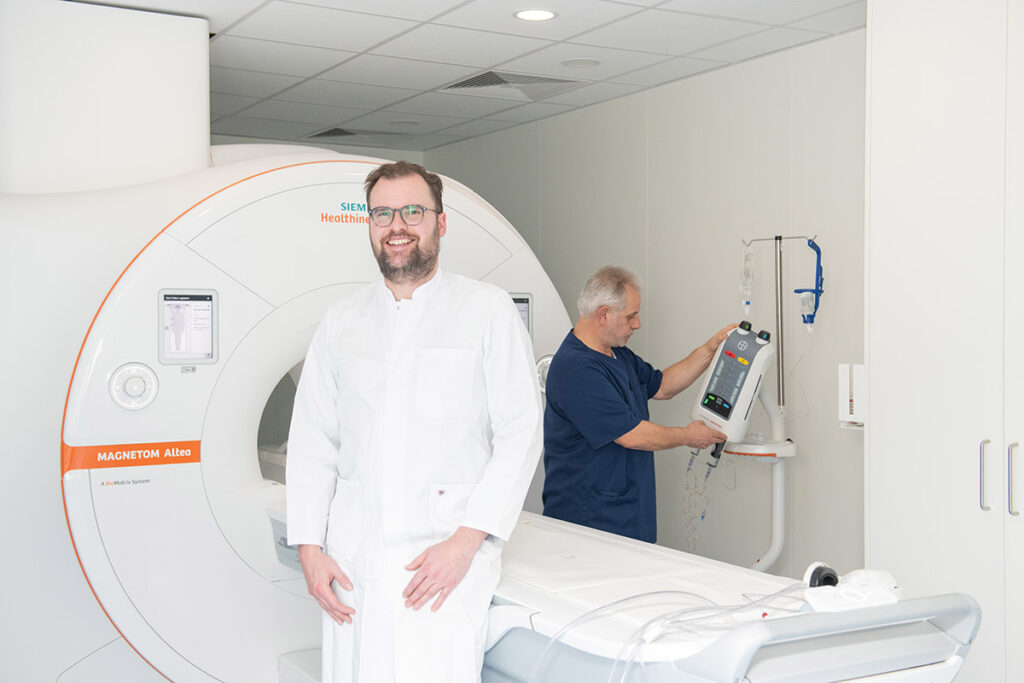
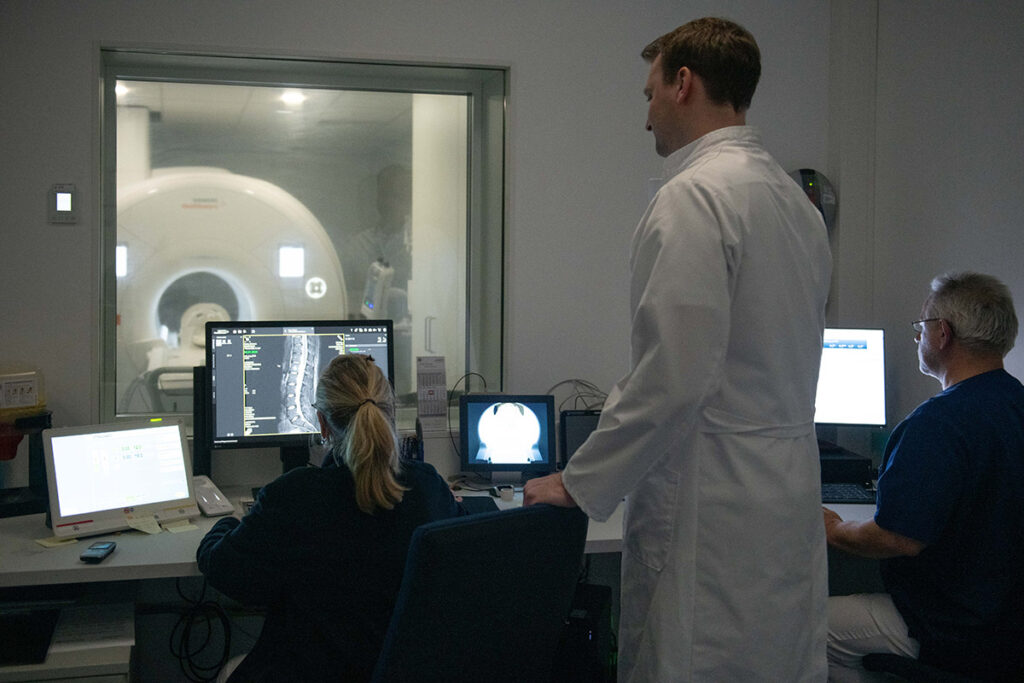
Current standard brain imaging using magnetic resonance imaging (MRI), based on routine protocols and visual radiological assessment, has limitations, particularly in neurodegenerative diseases. Subtle or early changes are often difficult to detect reliably with this approach. In addition, distinguishing between certain forms of neurodegenerative disease can be challenging.
It is likely that specific changes in the brain can only be visualized using novel, specialized MRI sequences. To investigate this further, we examine patients with suspected or confirmed neurodegenerative disease using MRI with innovative imaging methods.
In addition to research imaging, these MRI examinations always include all standard images currently used in clinical diagnostics. The MRI images obtained are evaluated both scientifically and clinically. The results are also made available to the treating physicians to support further treatment recommendations.
Interested or have questions? Please feel free to contact us.
Neuroimaging Working Group, Imaging Center, Ulm University Hospital
Prof. Dr. Dr. Nico Sollmann, B.A. (Oberarzt Neuroradiologie/Radiologie/Nuklearmedizin)
PD. Dr. Kornelia Kreiser (Sektionsleitung Neuroradiologie)
Prof. Dr. rer. nat. Hans-Peter Müller (Senior Scientist, Radiologie)
Dr. Joachim Strobel (Radiologie)
Benedek Petery (Doktorand Radiologie)
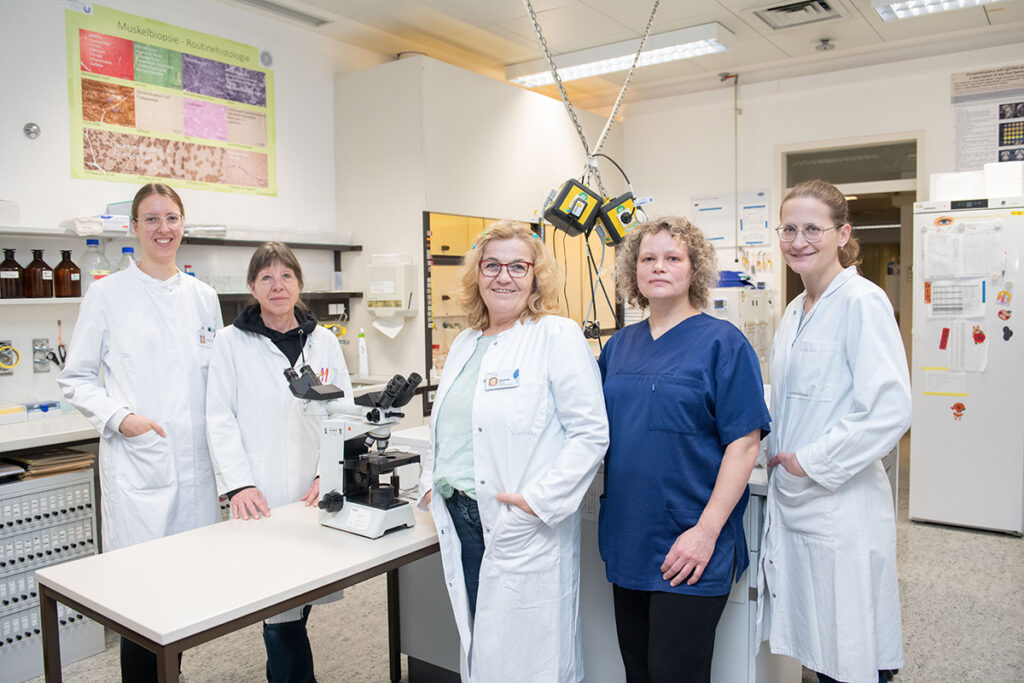
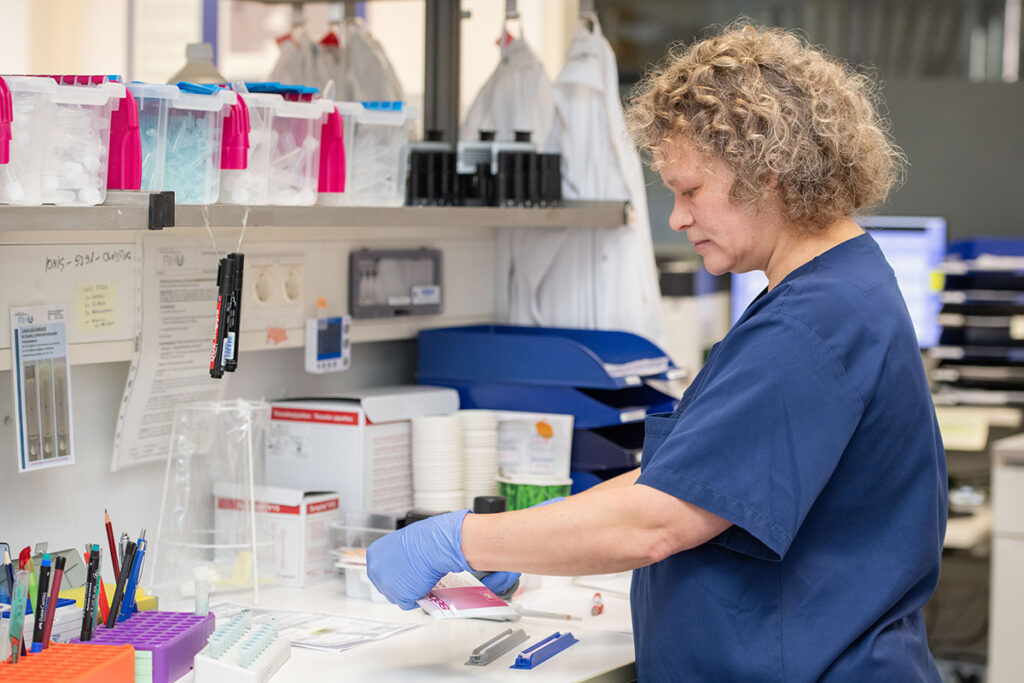
Another special feature of the Department of Neurology at Ulm University Hospital is its cerebrospinal fluid laboratory. Led by Prof. Tumani, an internationally recognized cerebrospinal fluid researcher, the laboratory analyzes cerebrospinal fluid samples both for routine diagnostics and for scientific purposes.
Here, too, the close integration of routine care, the systematic collection of biological patient samples in a biobank, and a strong scientific focus are key factors in internationally outstanding research.
In this environment, for example, the protein neurofilament was first described as a diagnostic marker for ALS in 2006 and has since been intensively researched and further developed.
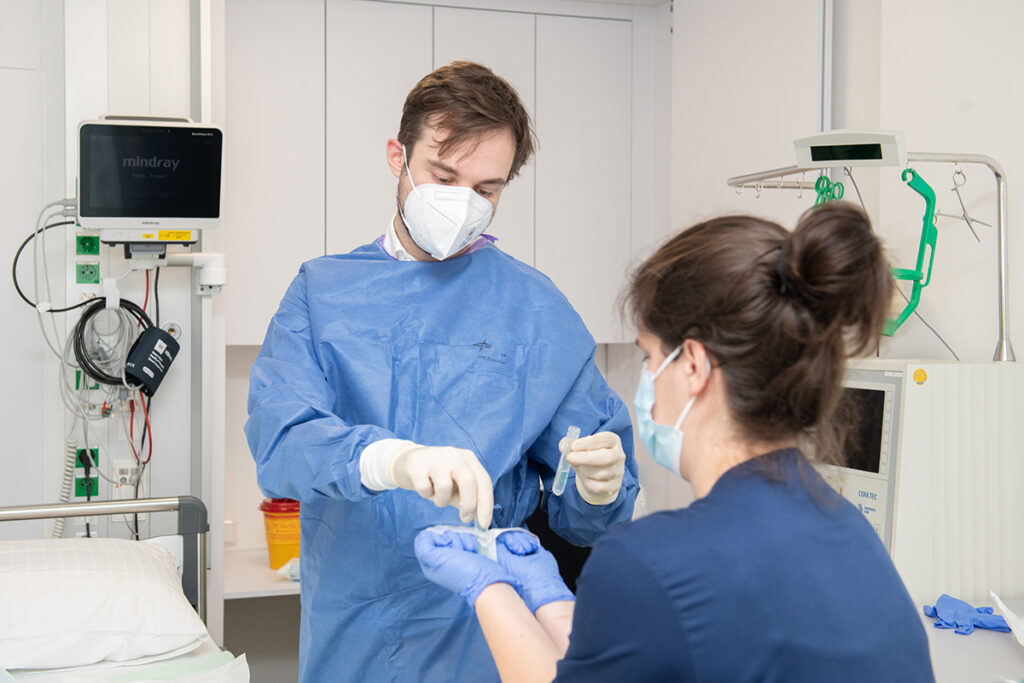
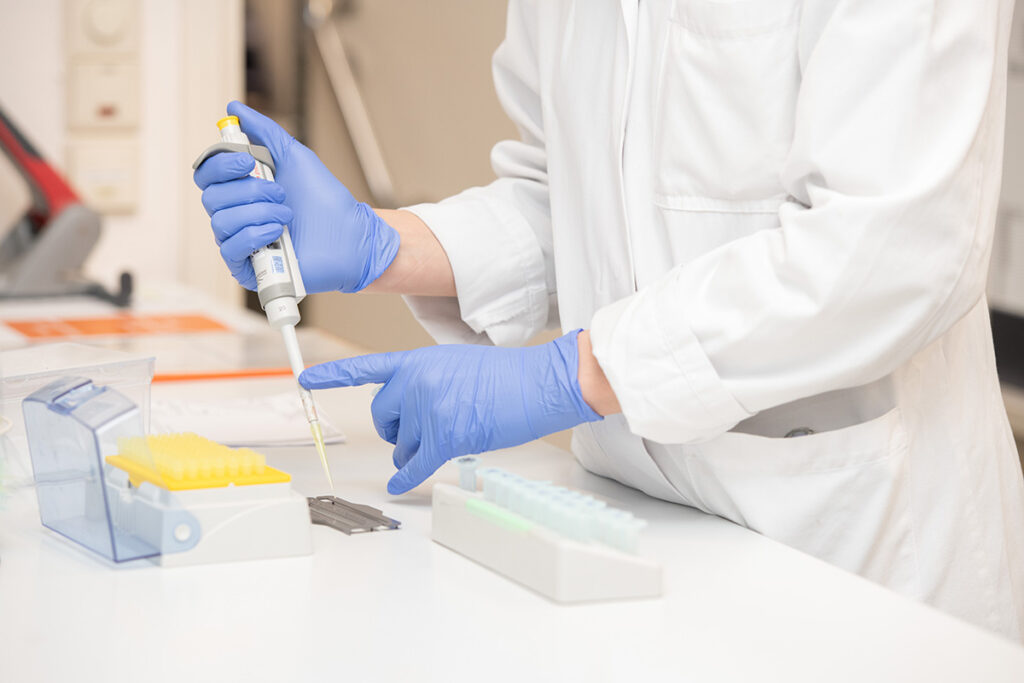
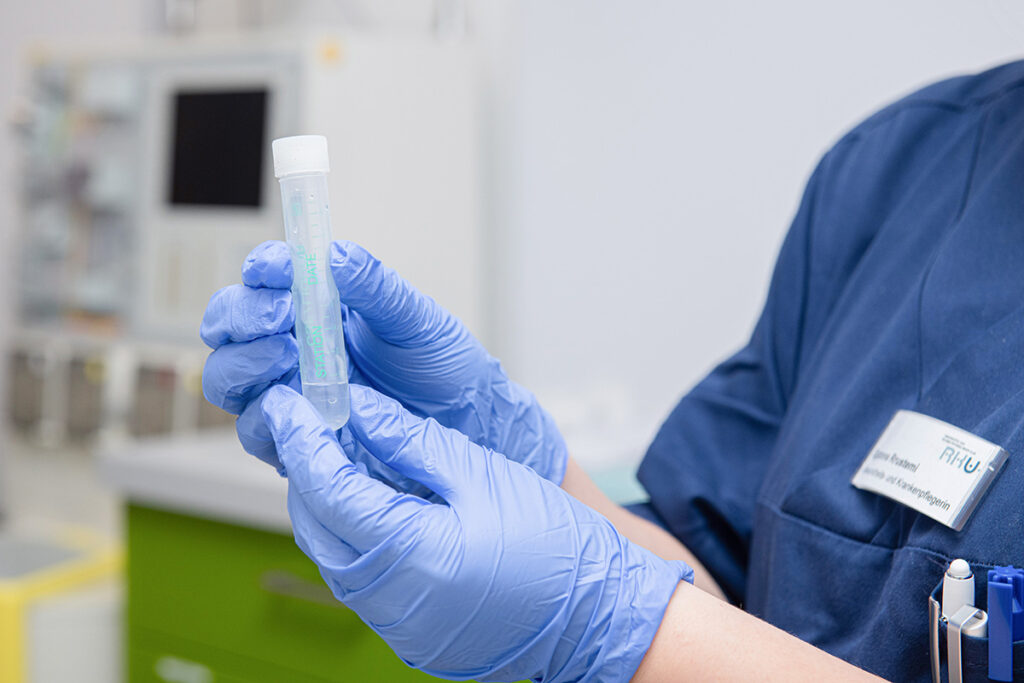
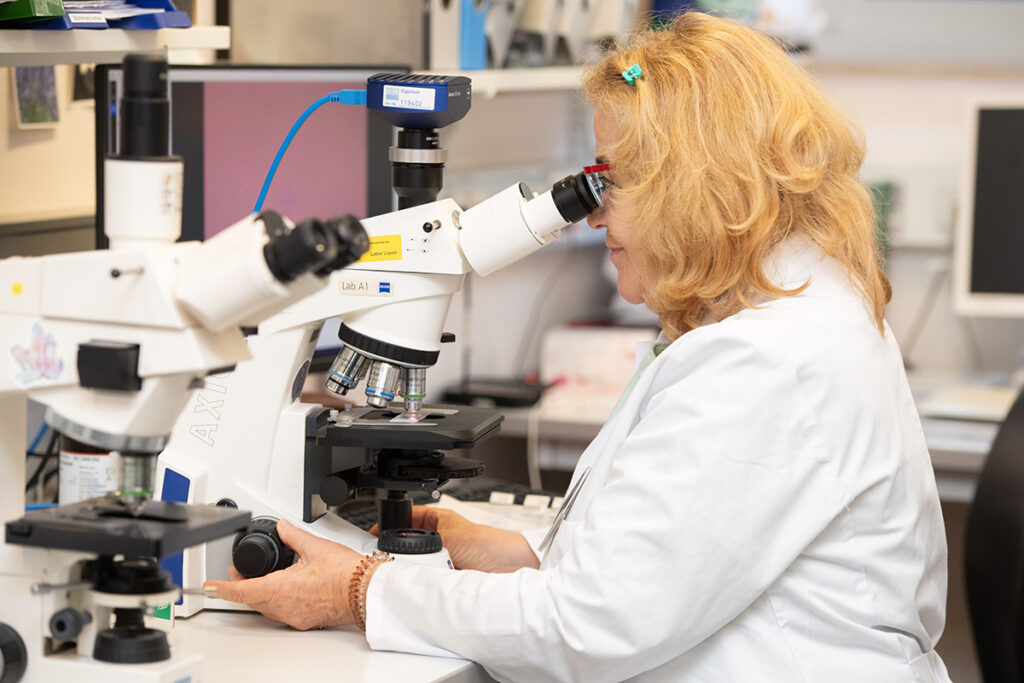
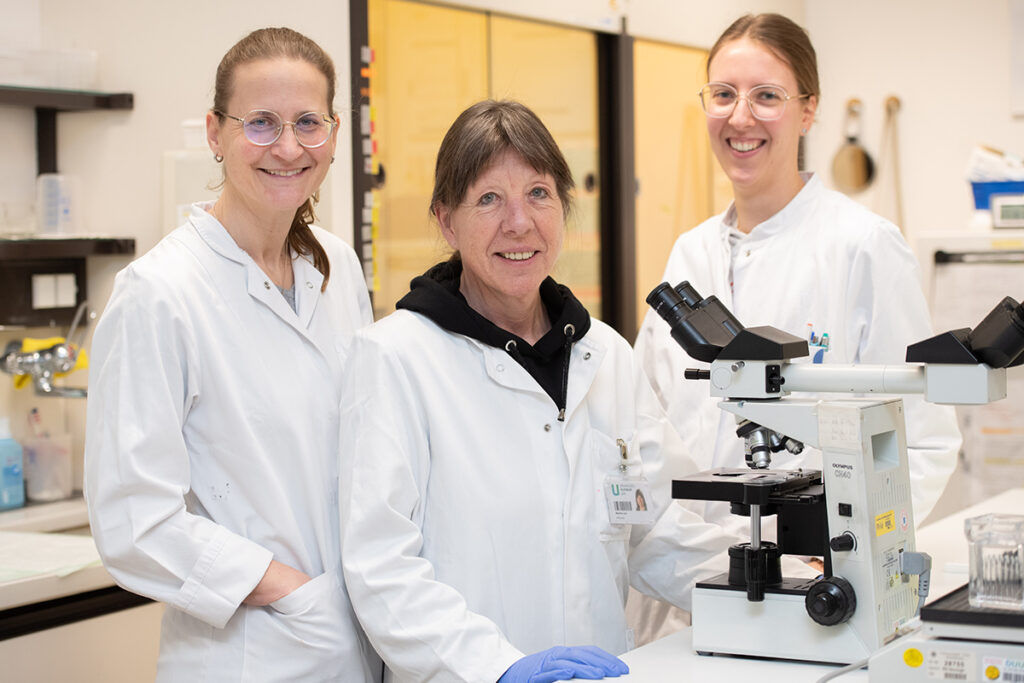
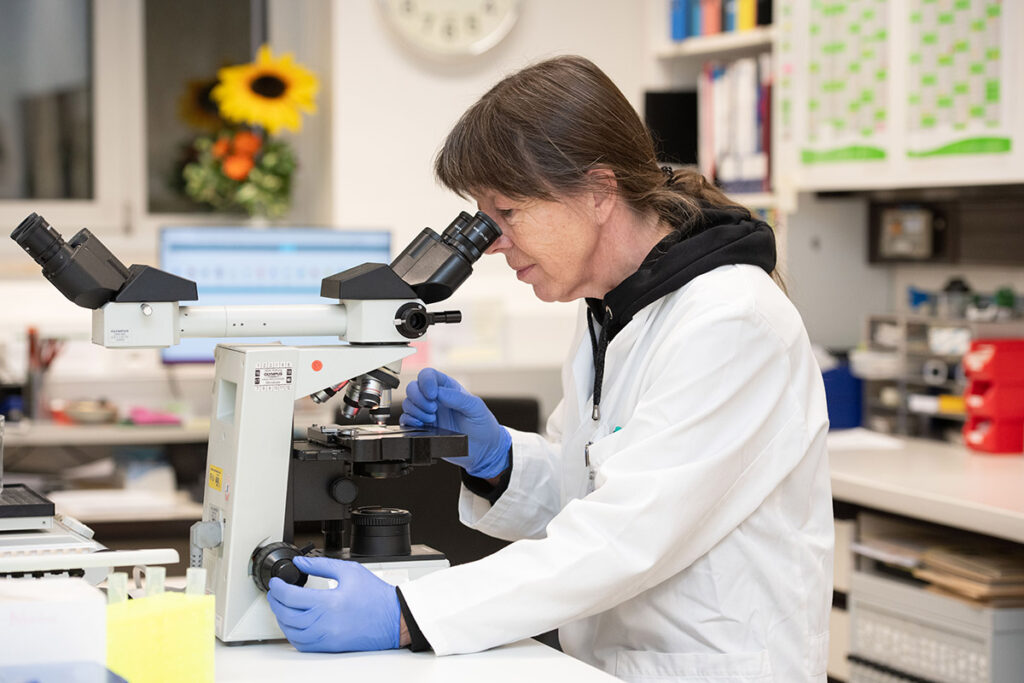
In neuromuscular diseases, the examination of a muscle tissue sample can be diagnostically very valuable. In some cases, microscopic examination of muscle tissue can also help diagnose or rule out ALS.
The Department of Neurology at Ulm University Hospital has its own muscle laboratory, led by Prof. Rosenbohm. The laboratory conducts both diagnostics and research into neuromuscular diseases, aiming to further improve diagnostic accuracy in diseases such as ALS.
Muscle tissue samples are also collected for scientific analyses and used in a wide range of research projects. (see also Neurobiobank).

Molecular Basic Research
Molecular basic research plays a central role at the Ulm ALS Center. It investigates what exactly happens in the cells affected by ALS and which molecules play key roles in the development of the disease.
In Ulm, several scientific working groups and many researchers study the tiny molecular building blocks of the body, such as genes, proteins, and other molecules. Their work focuses above all on one question: why certain nerve cells—especially the motor neurons affected by ALS—suddenly stop functioning and die.
The fundamental questions concern cellular processes, how these processes become imbalanced, and why some people are affected while others are not. This knowledge is extremely important because it forms the basis for new therapies.
For patients and families, this means that every step in molecular basic research contributes to a better understanding of ALS—and offers hope for new therapies in the future.
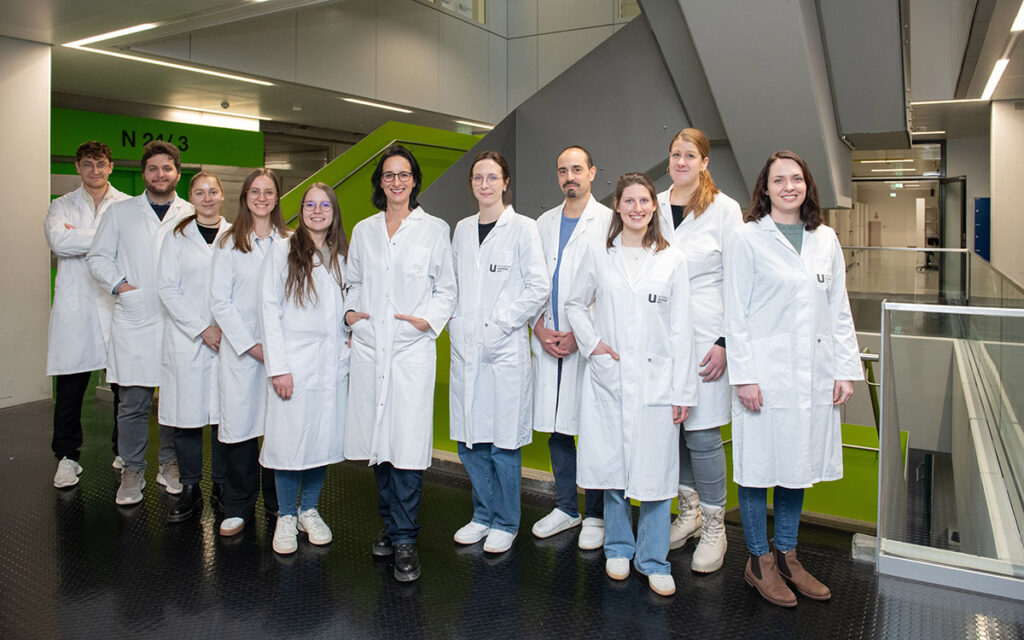
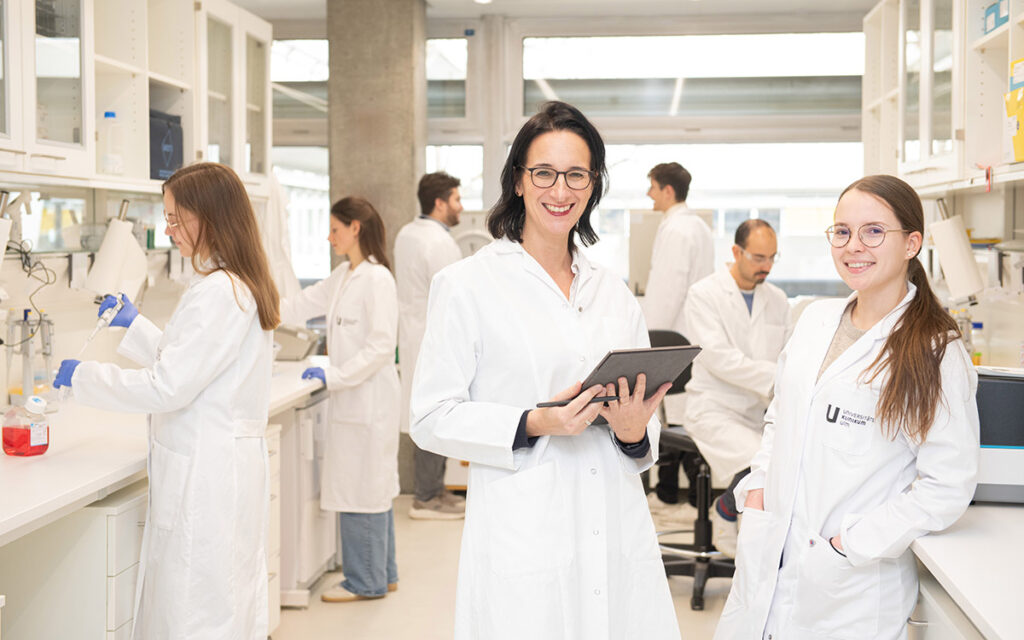
The professorship and working group led by Prof. Danzer are part of the German Center for Neurodegenerative Diseases (DZNE) and the Department of Neurology at Ulm University Hospital.
Prof. Danzer and her team investigate how abnormal aggregation of ALS-related proteins disrupts motor neurons and how the tendency of proteins to aggregate can also be used to improve the diagnosis of other neurodegenerative diseases. They also study how disease-related cellular changes in ALS may spread to neighboring cells, which could explain how initially limited ALS symptoms expand over time.
In a current research project, the Danzer team is collaborating with Prof. Sparrer’s working group. Together, they are investigating whether previous viral infections—possibly many years before disease onset—could influence the development of ALS. This work focuses on basic mechanisms at the interface between infections and aggregation of ALS-related proteins.
Through her research, Prof. Danzer’s group aims to identify new therapeutic targets and improve patient care in the long term.
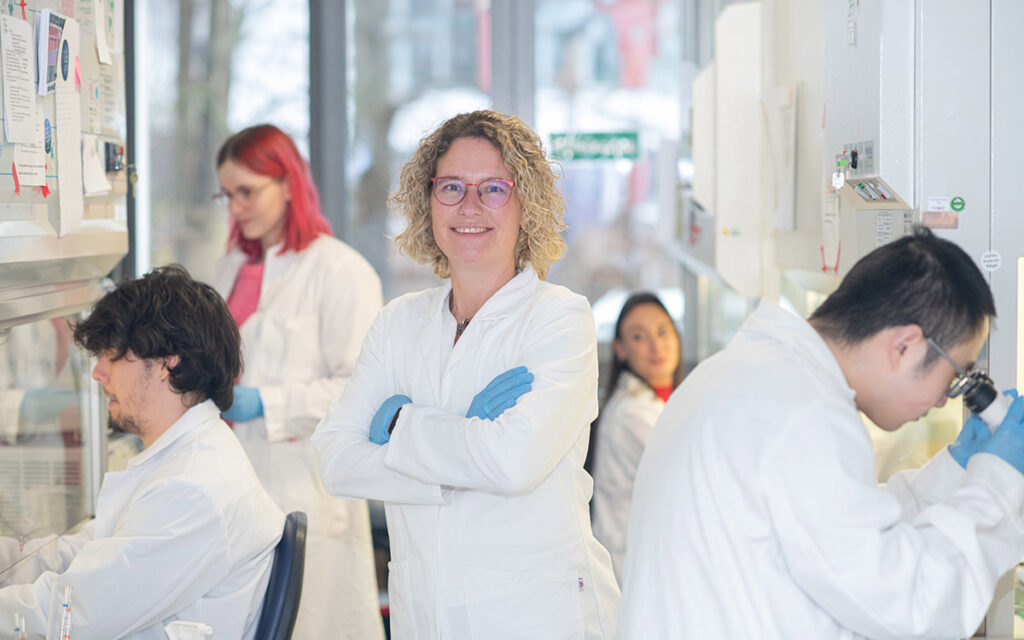
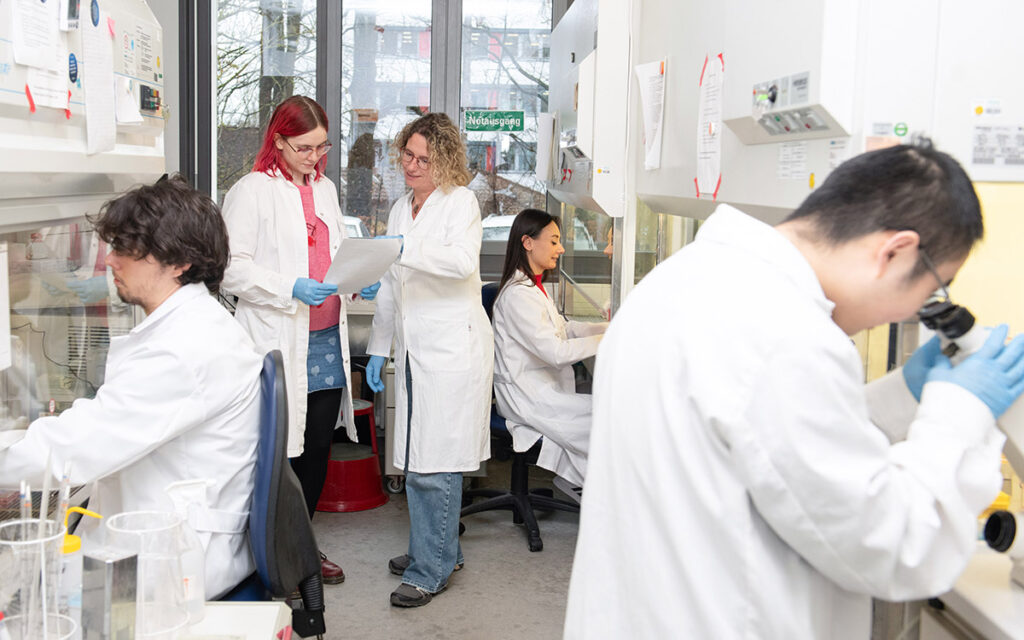
Prof. Roselli and his team investigate fundamental mechanisms underlying the development of ALS. Their work often focuses on understanding how specific genetic changes lead to ALS and how this might be prevented.
To this end, Prof. Roselli makes extensive use of genetic laboratory models of ALS, including cultured human motor neurons generated from stem cells or from blood and connective tissue cells donated by ALS patients.
In addition, Prof. Roselli studies how neural circuits—for example, disrupted interactions between nerve cells—may contribute to ALS.
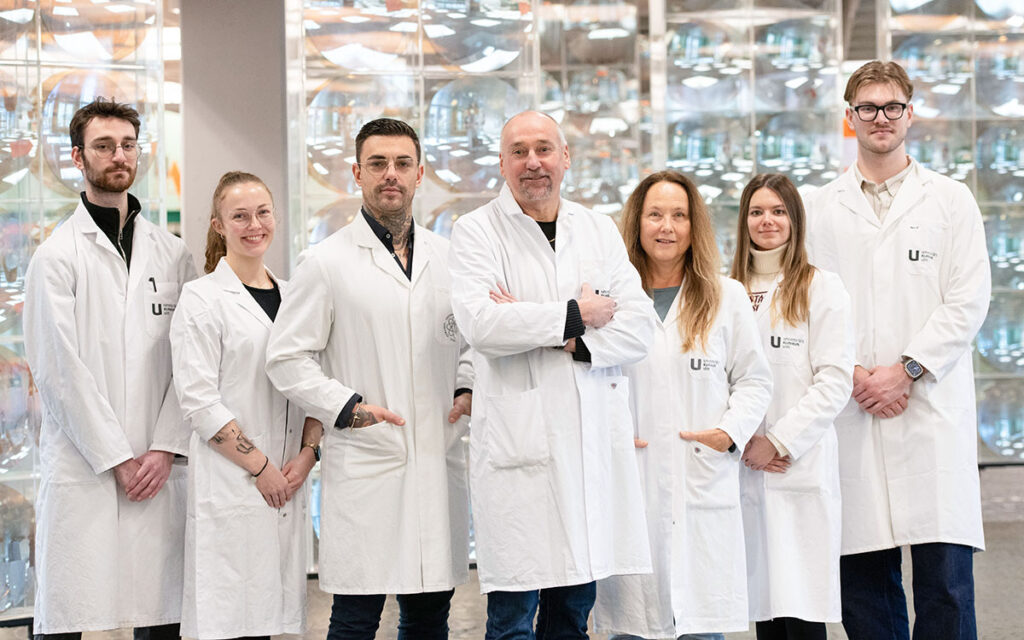
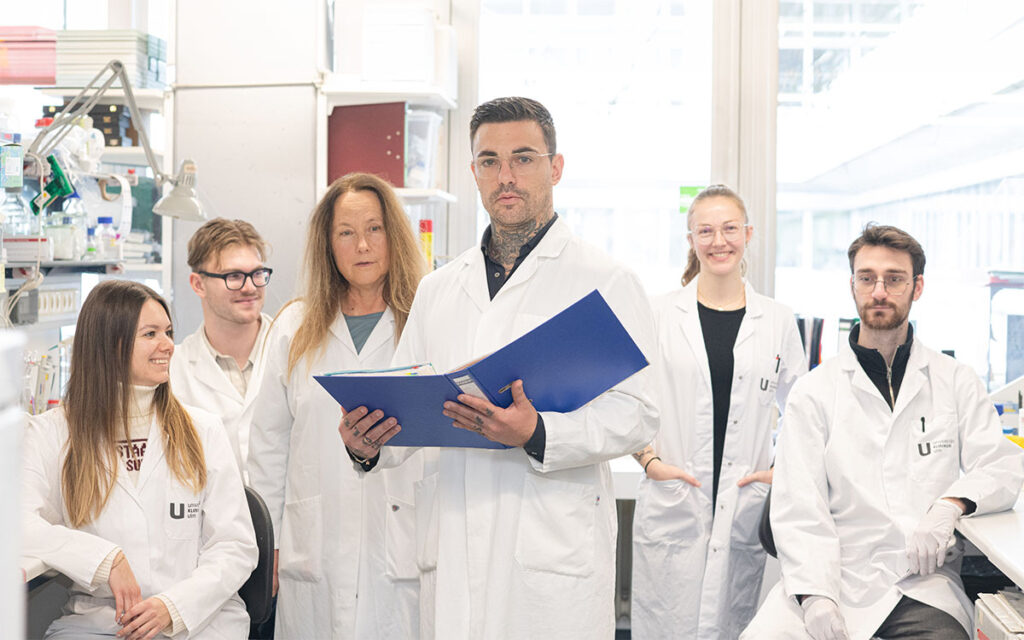
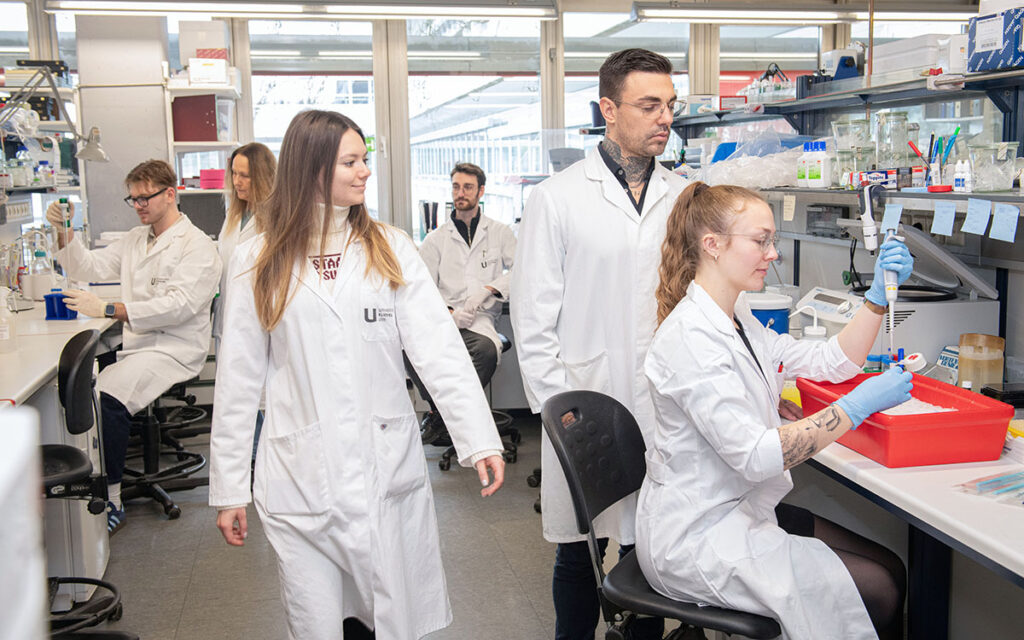
The Institute of Anatomy and Cell Biology has contributed to ALS research in Ulm for several years. In particular, the work led by Univ. Prof. Dr. Tobias Böckers, Director of the Institute of Anatomy, and Univ. Prof. Dr. Alberto Catanese, since 2025 Director of the Institute of Neuroanatomy at RWTH Aachen University and guest scientist in Ulm, combines stem cell models, multi-omics approaches, and patient samples to investigate the molecular signatures that characterize the heterogeneous disease spectrum of ALS.
Thanks to close collaboration with colleagues at the Department of Neurology in Ulm as well as national partners, such as the German Motor Neuron Disease Network MND-NET, and international collaborators, we have established a large collection of stem cell lines from ALS patients.
These are used, among other things, to study synaptic changes, autophagic deficits, and the pathogenic interaction between physical trauma and genetic susceptibility in motor neuron diseases.

Clinical (and Genetic) Phenotyping
The basis for developing new therapies is understanding ALS and its underlying causes. For this reason, we have been studying ALS and other motor neuron diseases in large registry studies for more than 15 years.
A registry study follows the individual disease course from the first symptoms and aims to identify patterns in group analyses that provide insight into causes, clinical subtypes, clinical care, and future therapeutic approaches. No therapies are administered as part of a registry study.
The Ulm team organizes and coordinates three major registry studies:
- The German Network for ALS and Motor Neuron Diseases (MND-NET)
- The Epidemiological ALS Registry Swabia
- The LUMINA Study
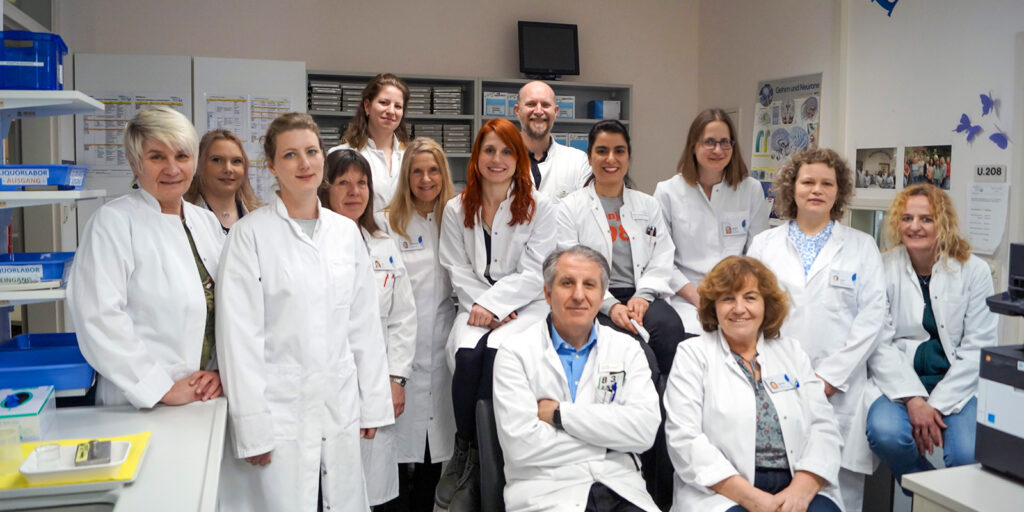
A key feature of ALS research in Ulm is the close integration of clinical care in our specialized outpatient clinics with research. This approach is known as translational research.
Among other things, this means that we often ask patients in our ALS outpatient clinic to donate biological samples, such as blood, cerebrospinal fluid, or genetic material, DNA, for scientific research.
The use of human samples from ALS patients makes ALS research in Ulm particularly close to clinical application and the development of new diagnostic tools and therapeutic approaches. An essential basis for this patient-centered research is the operation of a biobank.
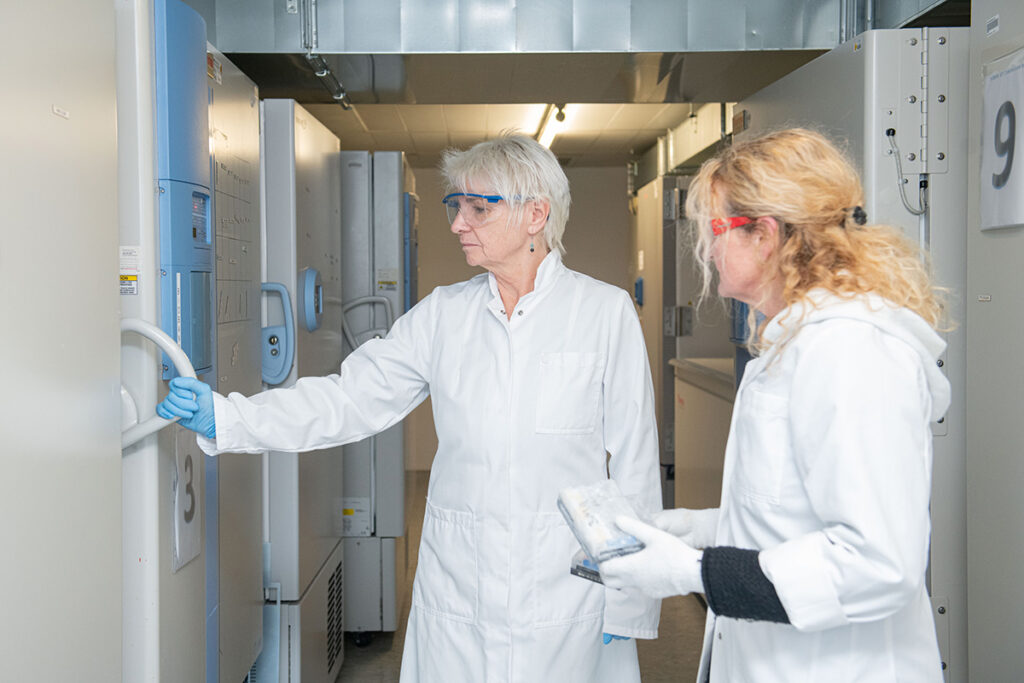
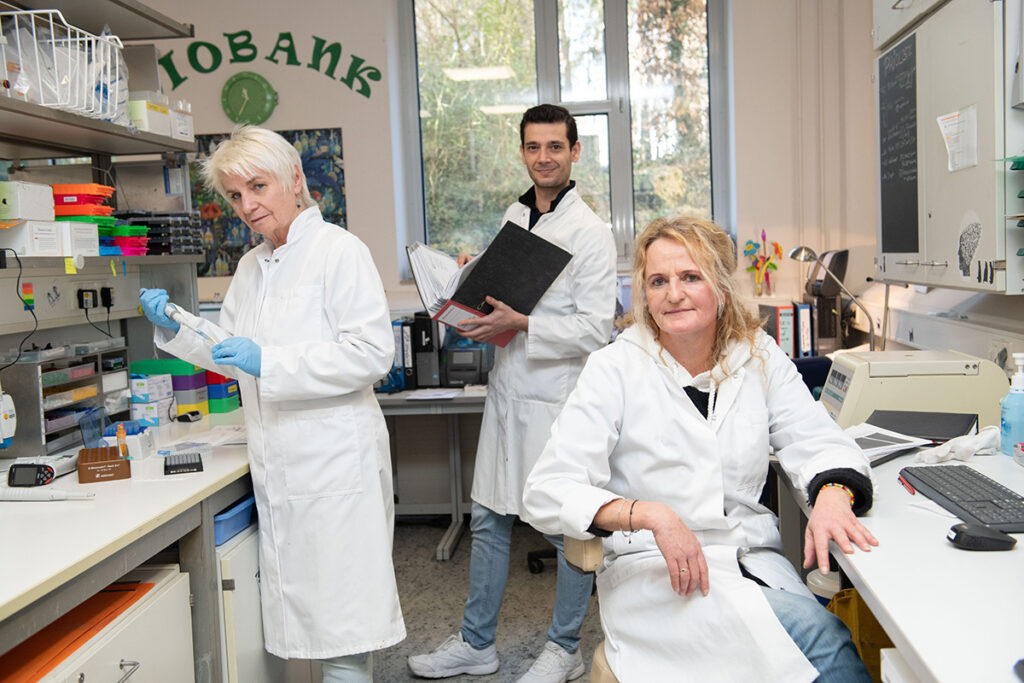
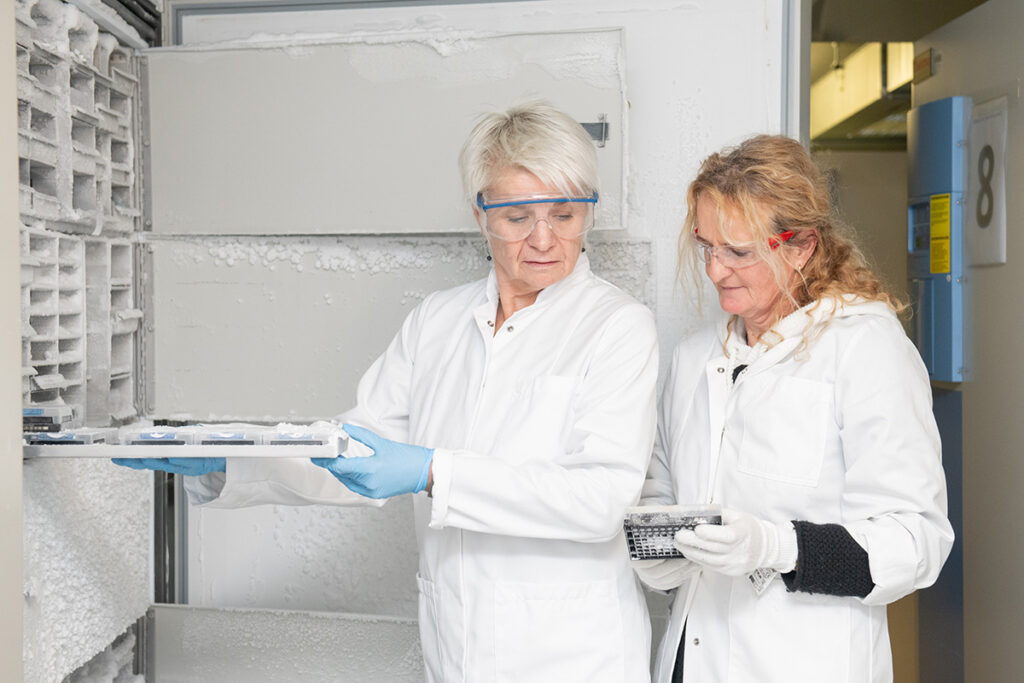
In our clinic’s biobank, blood samples and other biological samples have been systematically collected and stored frozen for many years, with patient consent. This allows us to quickly access existing biological samples when new scientific questions or research ideas arise and to generate further scientific results within a short time.
However, operating a biobank requires substantial financial resources. Costs include personnel and infrastructure, such as laboratory and storage rooms, ultra-low-temperature freezers at -80°C or liquid nitrogen storage, and electricity. A large proportion of these costs must be covered through the research budget of the Department of Neurology at Ulm University Hospital or through donations.
German Network for ALS and Motor Neuron Diseases, MND-NET
The German Network for ALS and Motor Neuron Diseases (MND-NET) brings together more than 30 ALS specialty outpatient clinics and ALS centers across Germany and Switzerland. The network aims to promote high-quality patient care and foster close collaboration in research and clinical development. MND-NET is led and coordinated by the ALS team at Ulm University Hospital.
What
Clinical and genetic characterization of ALS and identification of different subtypes.
How
Continuous follow-up of patients and close neurological assessments.
Why
To improve understanding of the disease with the goal of developing new biomarkers and therapies.
LUMINA Study
What
Clinical and genetic characterization of familial forms of ALS and description of genetic subtypes.
How
Continuous follow-up of ALS families, especially healthy individuals at genetic risk, with close neurological assessments.
Why
To improve early detection of disease onset and identify the best time to start therapy.
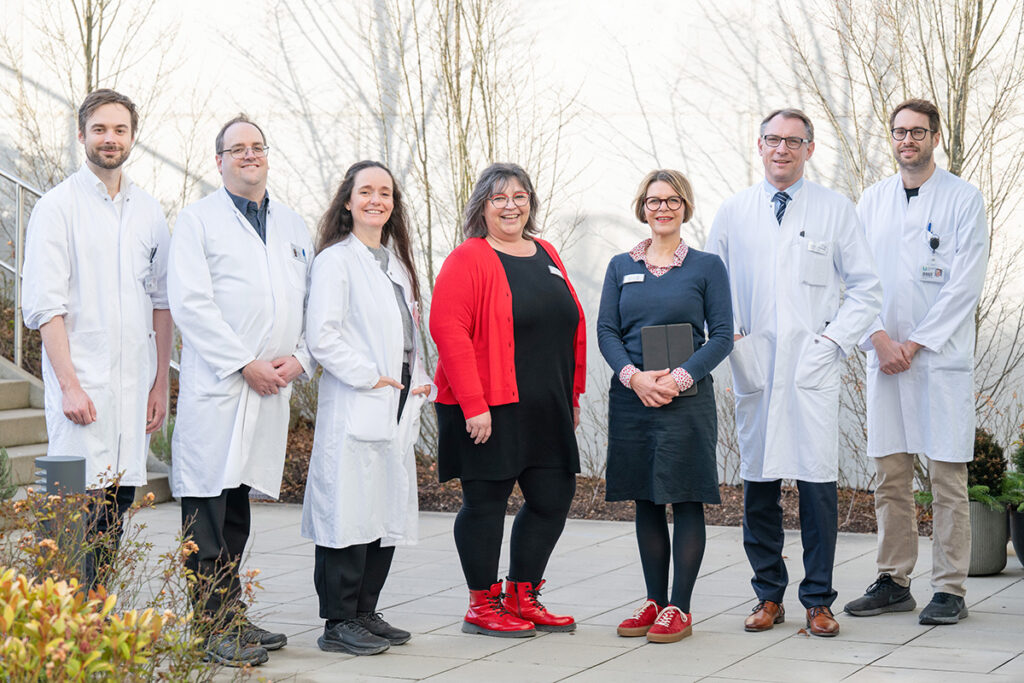
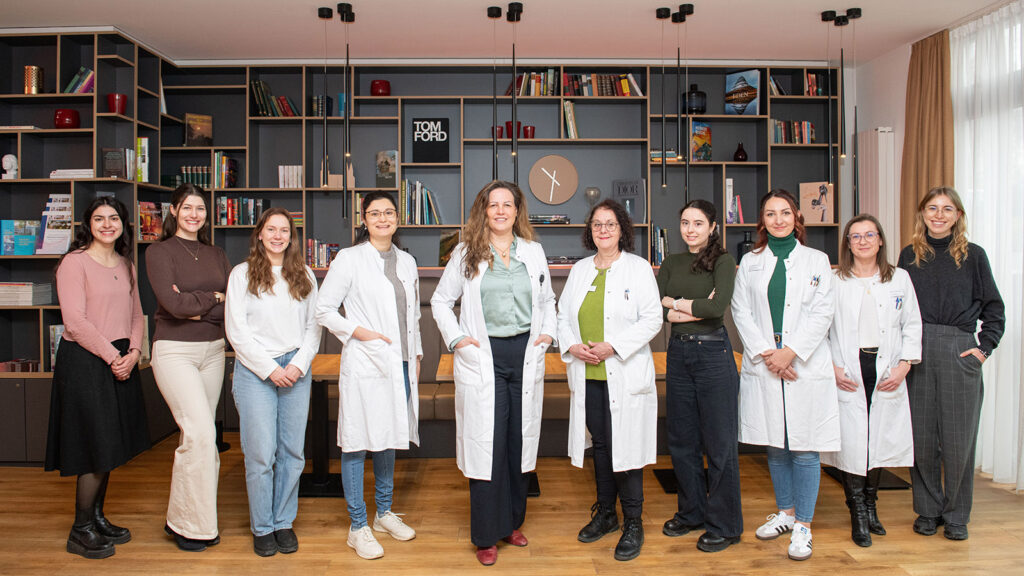
Prof. Dr. D. Lulé, PhD (Leitung); L. Balz, MSc; Olga Helczyk MSc; Julia Finsel, MSc; C. Vazquez, MSc; I. Uttner
Research Focus
The focus of the neuropsychological ALS research group is on cerebral changes that extend beyond the motor network and their effects on cognitive processes, emotionality, decision-making, and quality of life.
The aim is to expand knowledge of the different clinical subtypes of ALS and to improve care and support for patients and families through a better understanding of the consequences of the disease.
Neuropsychological Deficits in ALS, FTD, and Other Neurodegenerative Diseases
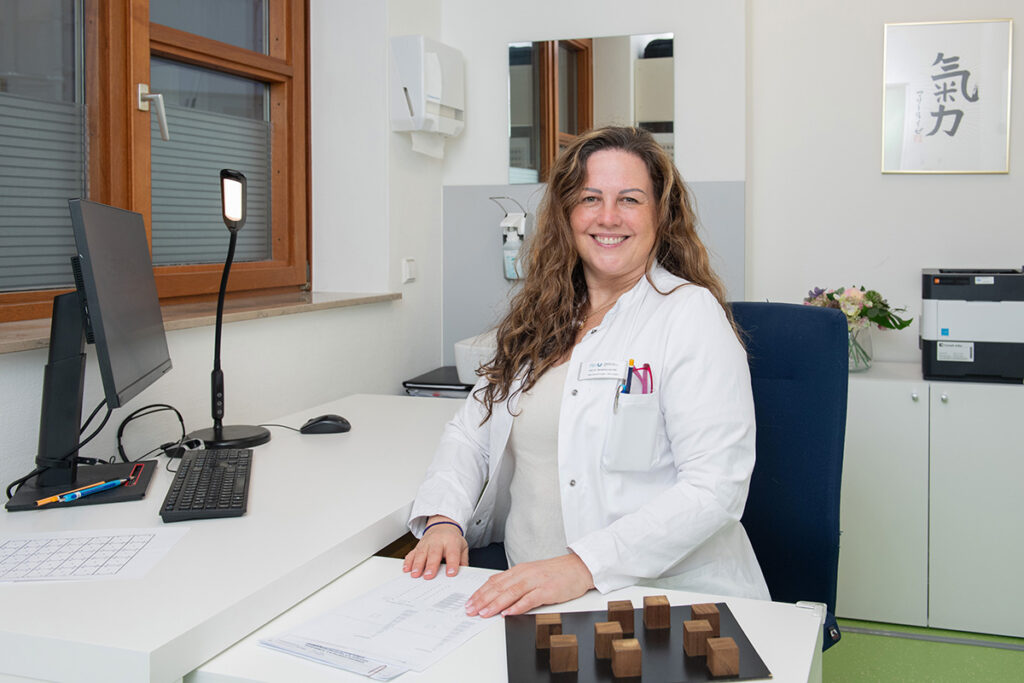
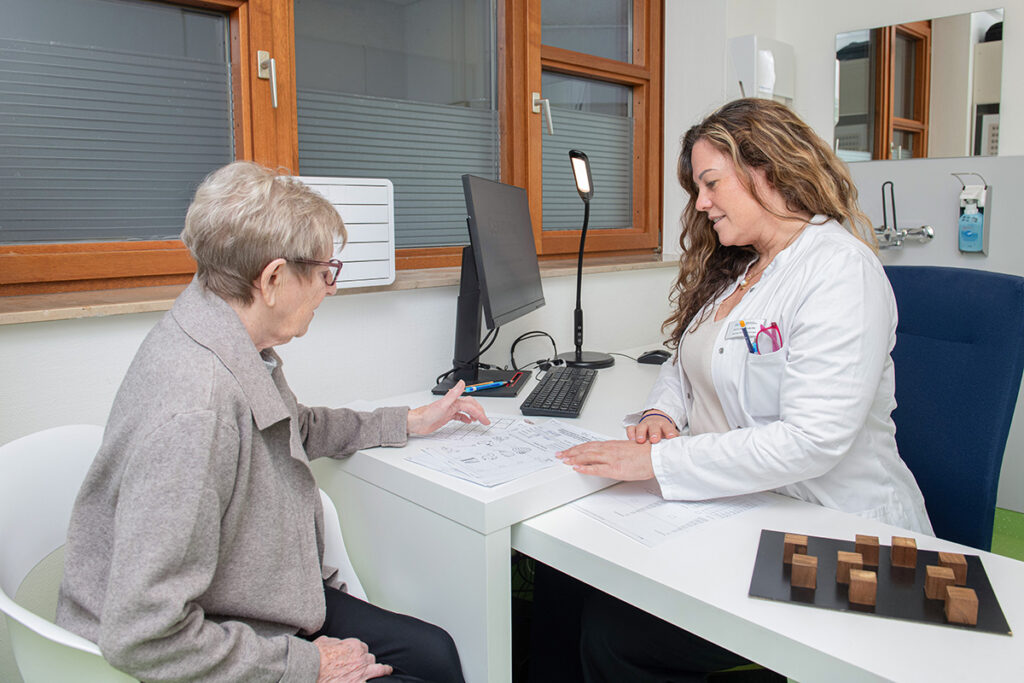
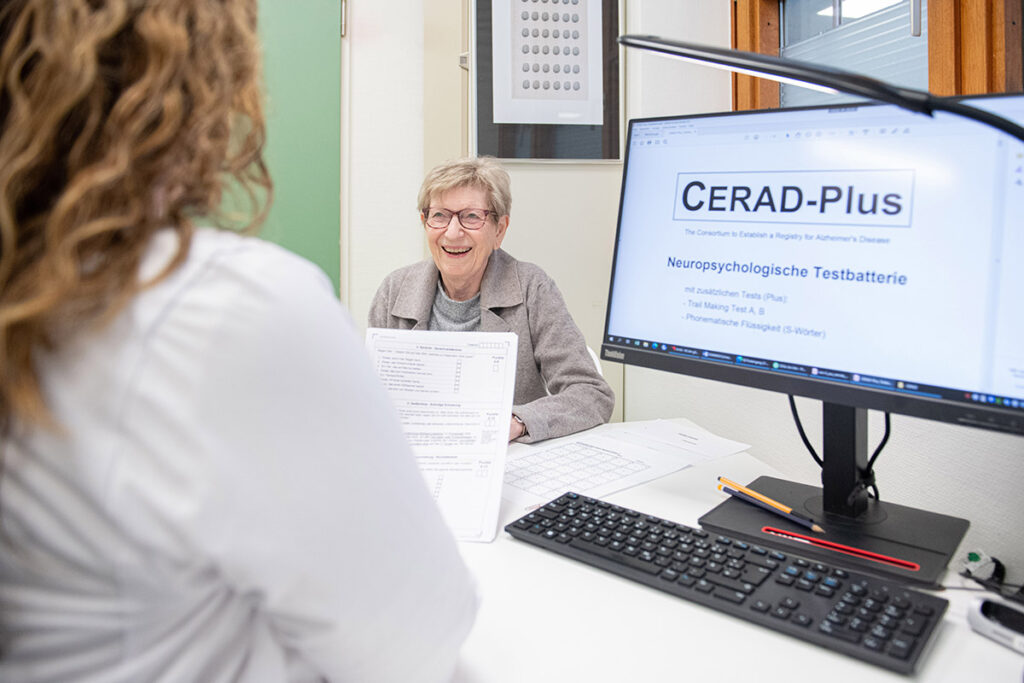
A central component of our work, both clinically and in national and international collaborations, is the standardized assessment of the cognitive profile of ALS and ALS-FTD patients. Cognitive assessment provides insight into the dynamics of disease processes and helps improve understanding of the interaction between symptoms and neurodegenerative changes in the brain.
This work is mainly based on the Edinburgh Cognitive and Behavioral ALS Screen, ECAS, and its parallel versions B and C, which are specifically adapted to ALS symptoms. ECAS enables detailed characterization of cognitive profiles in relation to genotype and phenotype.
We are also actively involved in validating ECAS in other countries. In patients with severe physical impairment, cognitive function can be assessed using motor-independent, digitalized ECAS versions, for example through eye-tracking or brain-machine interfaces.
By combining cognitive data with MRI imaging, we provide insight into the neural basis of altered behaviors, such as von Economo neurons, apathy, and pathological laughing and crying in relation to prefrontal cortex function.
The cognitive profile of gene carriers in the presymptomatic stage is also being studied to gain early insight into the development of ALS and ALS-FTD and to enable timely therapeutic interventions.
Psychosocial Adjustment in ALS
Another focus of our clinical work and research is the psychosocial adjustment of patients and families. An ALS diagnosis has profound effects on emotional well-being. In the weeks and months following diagnosis, fears must be addressed and life plans often need to be reconsidered.
The working group investigates the dynamics and predictors of psychosocial adjustment, which many patients achieve successfully despite severe physical limitations. This is sometimes referred to as the “well-being paradox.” Healthy observers often underestimate the possibility that patients can still experience satisfactory well-being.
We also develop mindfulness-based approaches to support patients and families more effectively.
Decisions on Life-Prolonging and Life-Shortening Measures
For several years, we have been researching decisions made by ALS patients, family members, and treating physicians regarding life-relevant measures, as well as the personal, ethical, social, and legal frameworks surrounding these decisions, including in a European comparison.
Acknowledgements
The projects are part of the DFG-funded ALS Registry Swabia, the German Center for Neurodegenerative Diseases (DZNE), the Center for Rare Diseases Ulm, the German ALS Consortium MND-NET, and the European FTLD network FRONTIERS.
Funding is provided by the EU Joint Programme – Neurodegenerative Disease Research (JPND) in cooperation with the BMBF, the Swedish Research Council, and the NCBR Poland. Additional funding is provided by the DFG and the Baden-Württemberg Competence Network “Preventive Medicine.”